📍 The east-Attica day in one paragraph
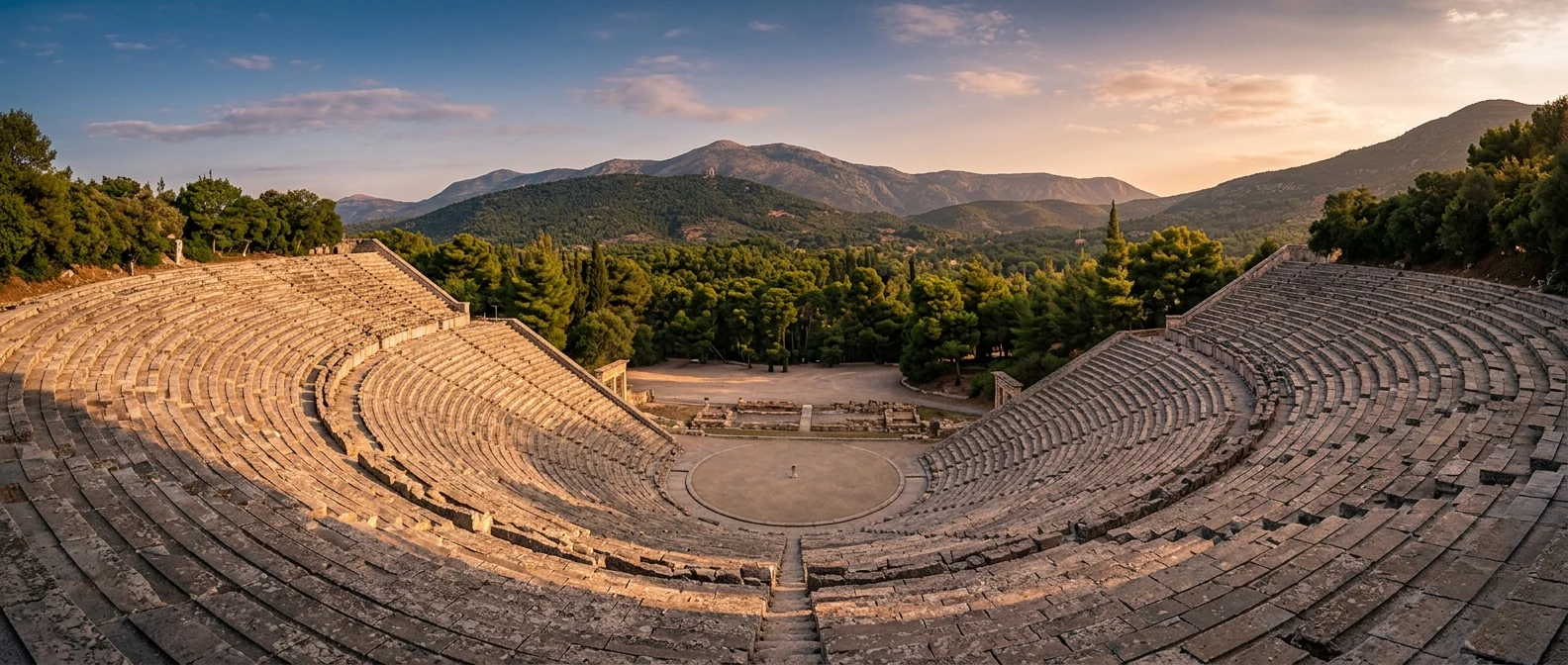
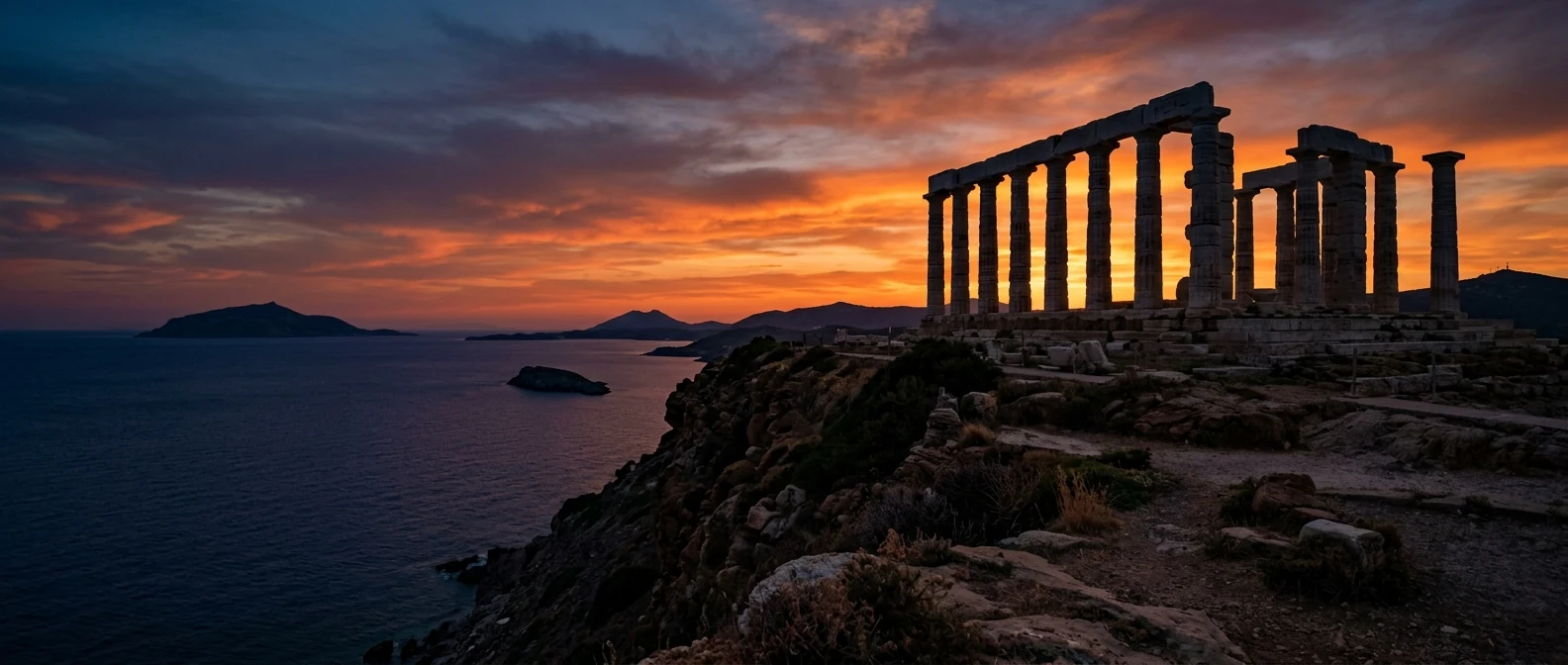
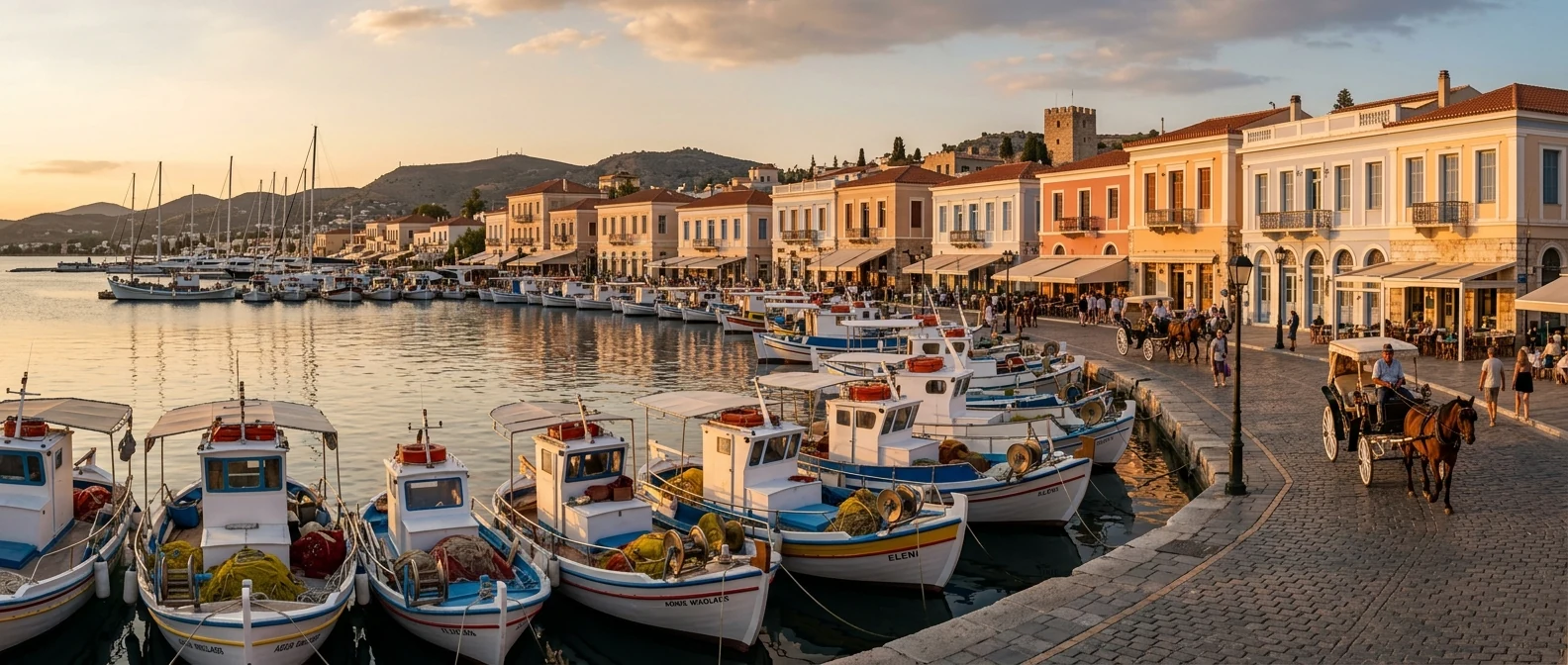
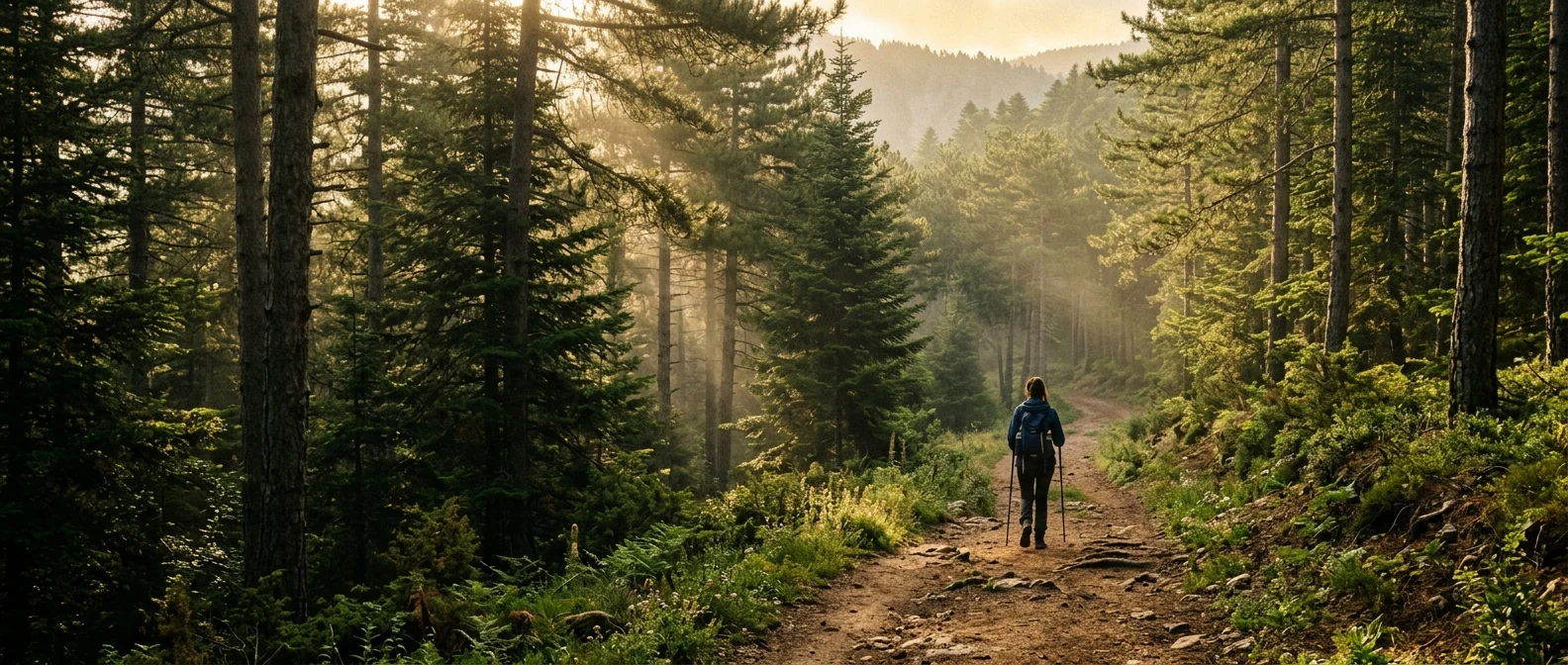
East Attica begins just outside Athens, but the pace changes quickly: vineyards, olive groves, the Mesogeia plain, and coasts with small bays. Marathon, about 42 km to the northeast, is connected with the battle of 490 BC and with the later birth of the modern marathon race. Vravrona, about 38 km to the east, was a sanctuary of Artemis in a coastal wetland. Both places are low-key, with few visitors on most days, and are easy to do by car from Athens.
🏛️ Marathon — what the battle changed
Why Marathon matters
In 490 BC, Darius I of Persia sent an expedition against Athens, after the Athenians had also taken part in the Ionian Revolt. The Persians landed in the bay of Marathon. The Athenians, together with their Plataean allies, moved toward the plain and fought with a heavy hoplite phalanx. Ancient sources give 192 Athenian dead and much larger Persian losses, though the exact sizes of the armies are still debated.
The victory carried major political weight. Athens avoided immediate Persian subjugation and, ten years later, the Greek cities faced the second Persian invasion at Salamis and Plataea. The well-known story of the messenger who ran from Marathon to Athens was connected later with the modern marathon race, which was established at the Athens Olympic Games in 1896.
🏛️ Marathon today
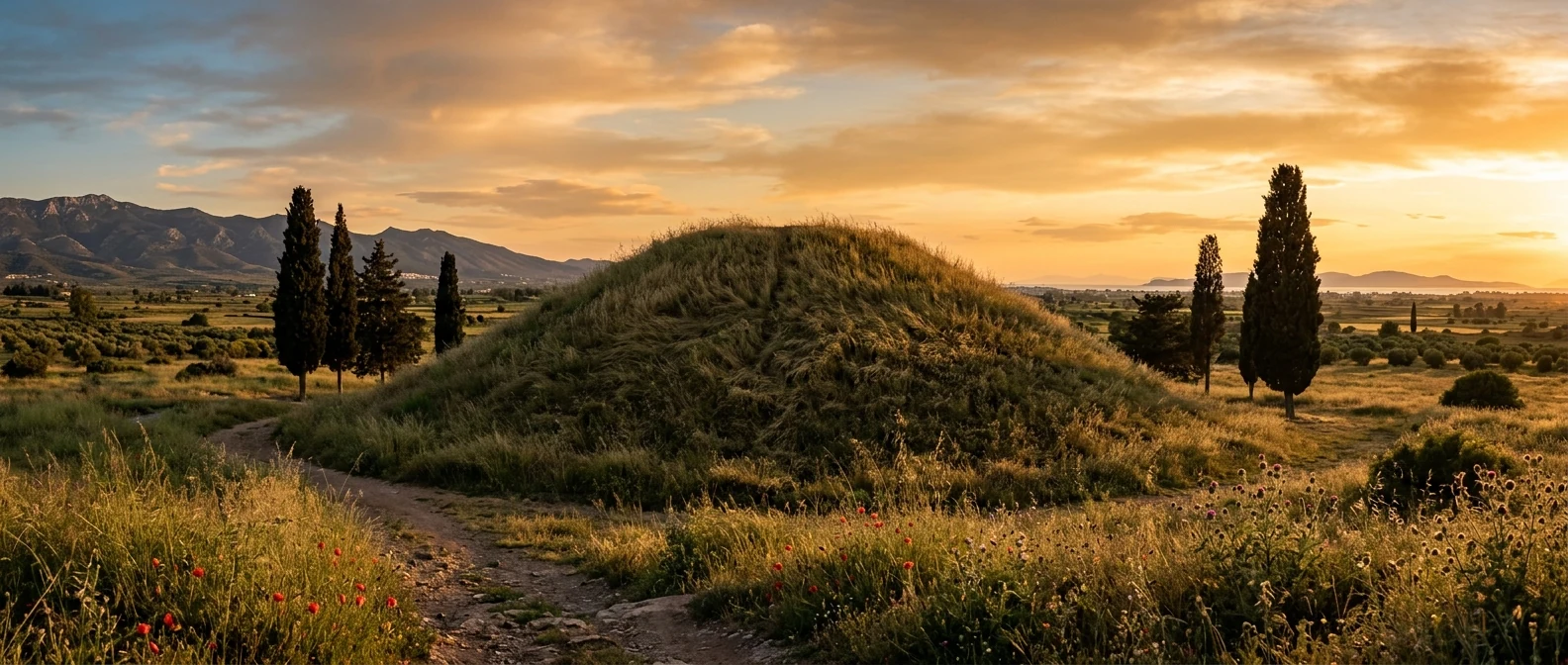
- The Mound of the Athenians — burial mound for the 192 Athenians who, according to tradition, fell in the battle. It stands alone on the plain and needs a little quiet time, not a rushed pass.
- Marathon Archaeological Museum — a small museum a few kilometers from the mound, with finds from the area, funerary stelae, and material that helps you understand the historical context.
- Marathon Run Museum — a separate small museum in Marathon village, dedicated to the modern race and its history.
- Schinias and the National Park — a long sandy beach, pine zone, and wetland. It is a good combination if you want to end the day with a swim.
- Athens Marathon — every November, the Authentic Marathon connects Marathon with the Panathenaic Stadium.
🏛️ Vravróna (Brauron) — the Sanctuary of Artemis
Why Vravróna is special
The Sanctuary of Artemis at Vravrona is connected with a cult that seems to have had deep roots in Attica and became especially important in the Archaic and Classical periods. Young girls from Athens, the so-called arktoi, took part in rituals dedicated to Artemis as part of the transition from childhood to adolescence. The site stands in a wetland, with temple foundations, a stoa, a spring, a bridge, and the small church of Agios Georgios. Vravrona is not dramatic in the way the Acropolis is; it is low, damp, quiet, and that is why it stays in the memory.
🦌 What you see at Vravróna
- Doric stoa — partially restored, the clearest architectural element of the site.
- Temple foundations — a small classical temple, with only the foundations remaining.
- Sacred spring and altar area — water was part of the sanctuary experience and still gives character to the place.
- Stone bridge — an ancient bridge over the stream, one of the most distinctive points of the visit.
- Agios Georgios chapel — a small post-Byzantine church over part of the ancient site.
- Vravrona Museum — next to the site, with sculptures of young girls, votive reliefs, and finds from the sanctuary.
- Walking in the wetland — short paths in the marsh around the site. Good for birdwatching.
🚌 Getting there
KTEL Attica bus to Marathon
From the KTEL Attica terminal on Mavrommateon, next to Pedion tou Areos. The trip takes about 1 hour. From Marathon village you need a walk or a taxi for the mound and the museums.
KTEL bus to Vravróna
Access is more difficult. A bus to Markopoulo and then a taxi to the site is often easier. To combine it with Marathon, a car is clearly more practical.
Rental car
About 45 minutes from Athens to Marathon and about 30 minutes from Marathon to Vravrona. It is the best option if you want to fit both sites together with Schinias or Porto Rafti.
Taxi or app
Convenient for groups, but expensive if you do it on your own. For the return from Vravrona or Schinias, arrange your transport back in advance.
📊 At a glance
490 BCE
Battle of Marathon, with the Athenians and Plataeans facing the Persian expedition.
~42 km
The modern marathon distance, inspired by the later story of the messenger.
~12 m
About the height of the Mound of the Athenians on the plain of Marathon.
Museums
Marathon and Vravrona both have small museums. Confirm prices and opening hours before you go.
🍴 Where to eat
- Schinias Beach tavernas — fish, grilled food, and a simple beach lunch. €20-€30 per person.
- Marathon village tavernas — basic Greek country food. €15-€25 per person.
- Porto Rafti / Markopoulo — a practical stop if you continue toward Vravrona. €25-€40 per person.
- Vravrona area tavernas — limited; better to bring a picnic or eat in Porto Rafti.
- East Attica wineries — around Markopoulo. Some are open for tasting, such as Domaine Vassiliou and Ktima Anastasiou. Reserve ahead.
📅 A realistic one-day plan
Athens → Marathon + Vravróna → Athens (8-9 h, by car)
- 09:00: Drive Athens → Marathon. 45 min.
- 10:00-11:00: Marathon Archaeological Museum or the Marathon Run Museum.
- 11:00-11:45: Mound of the Athenians.
- 12:00: Drive south to Vravróna (30 min).
- 12:30-14:00: Vravrona archaeological site and museum.
- 14:00-15:30: Lunch in Porto Rafti or Schinias.
- 15:30-17:00: Optional swim or walk in Schinias.
- 17:30: Drive back to Athens.
📅 Single-site KTEL plan
- Marathon-only day: KTEL to Marathon village, then walk or take a taxi to the mound and museum. With return and food, allow about 6 hours door to door.
- Vravrona-only day: harder by bus. It works better with a taxi, a car, or an organized tour.
🛡️ Practical tips
- Walking shoes — both sites have uneven ground.
- Sun and water: open sites with limited shade in summer. Take a hat, water, and sunscreen.
- Time at Vravrona: the site, museum, and small church need about 1.5-2 hours.
- Schinias National Park: bring binoculars if you are interested in wetland birds.
- Photography: morning light at Tymvos; afternoon at Vravróna.
- Quiet sites: on weekdays you may be almost alone. The feeling is very different from the busy sites in Athens.
🎯 Why visit east Attica
- Historic significance — Marathon is one of the best-known battles of ancient history.
- Fewer crowds — the sites usually have far fewer visitors than the central monuments of Athens.
- Variety — battlefield, sanctuary, beach, and wetland in one route.
- Attic countryside — vineyards, olive groves, small settlements, and coasts outside the image of the city.
- Photography — Vravrona has low light, water, stone, and the church above the ancient site.
How to get there from Angel Athens (Ioulianou 50)
From Ioulianou 50, the KTEL Attica terminal on Mavrommateon is about 12-15 minutes on foot, via Patision and Pedion tou Areos. From there you take the KTEL bus to Marathon. For Vravrona, check services toward Markopoulo and allow a taxi for the last part. By car, you leave Victoria toward Mesogeion and Marathonos Avenue or via Attiki Odos, depending on traffic.
🎯 FAQ
Worth it without a car?
Marathon, yes, because there is KTEL. Vravrona is harder without a car. The combination of both sites works best with a car, taxi, or organized tour.
Marathon or Vravróna if I can only do one?
Marathon is the better choice if you are interested in the history of the battle and want easier access. Vravrona is better if you want a quiet archaeological site inside a natural landscape.
Family-friendly?
Yes. There are open spaces, easy walking, and Schinias Beach for a break. Older children understand the historical context more easily.
Best month?
April, May, September, and October. The temperatures are milder for walking and the light is better for these open sites.
Combine with other east-Attica options?
Yes, mainly by car. You can add a winery in the Markopoulo area, Porto Rafti, Schinias, or Lavrio, depending on your time.
The Athens Marathon (race) — when?
It takes place every November. The Authentic Athens Marathon starts in Marathon and finishes at the Panathenaic Stadium. Participation needs registration well in advance.
Sources:
— Kathy