What "Kerameikos" means
The name comes from the kerameis, the potters. Workshops once stood in this area and used the clay around the Eridanos, the small stream that still passes through the site. From this environment came vases that now fill museums around the world. The same area also became a place of burial, which gives Kerameikos its double identity: a place of making and a place of memory.
Kerameikos was used for burials very early on, and in the classical period it became closely tied to the roads leading out of the city. This is where you find the Street of the Tombs, but also the great gates in the Themistoclean Wall. So the visit is not only about a cemetery. It is also a lesson in how Athens organised its boundaries, its processions and its public memory.
The two gates and what passed through them
The Dipylon
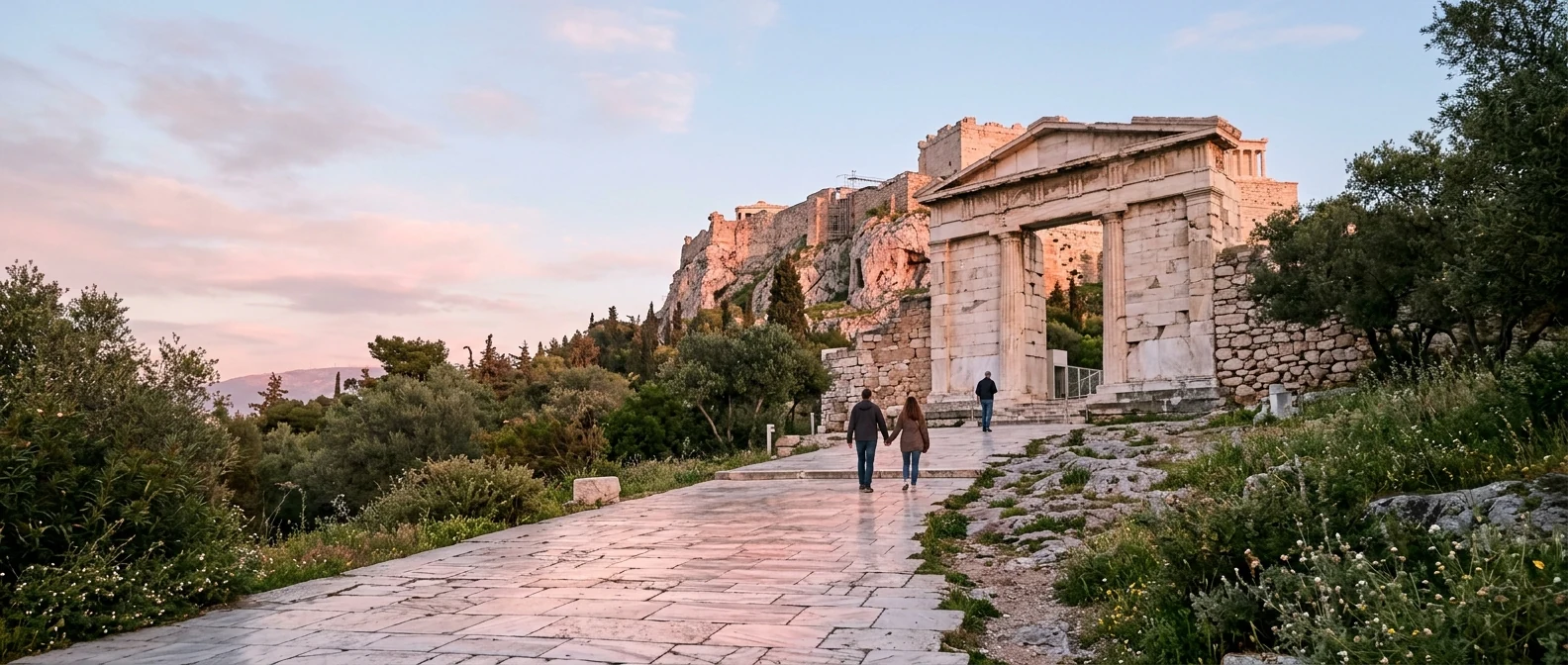
One of the largest gates of ancient Athens. The Panathenaic Way began here, crossed the Agora and climbed to the Acropolis. The outline of the double gate, its courts and towers, can still be read on the ground.
The Sacred Gate
South of the Dipylon, the Sacred Gate connected with the Sacred Way to Eleusis and the processions of the Eleusinian Mysteries. The Eridanos passed through this part of the site, giving the area practical as well as symbolic importance.
📍 From Angels Athens to Kerameikos
See at a glance how to get from the apartment at Iouliánou 50. Drag the map and zoom in for details.
The grave stelae and what they tell us
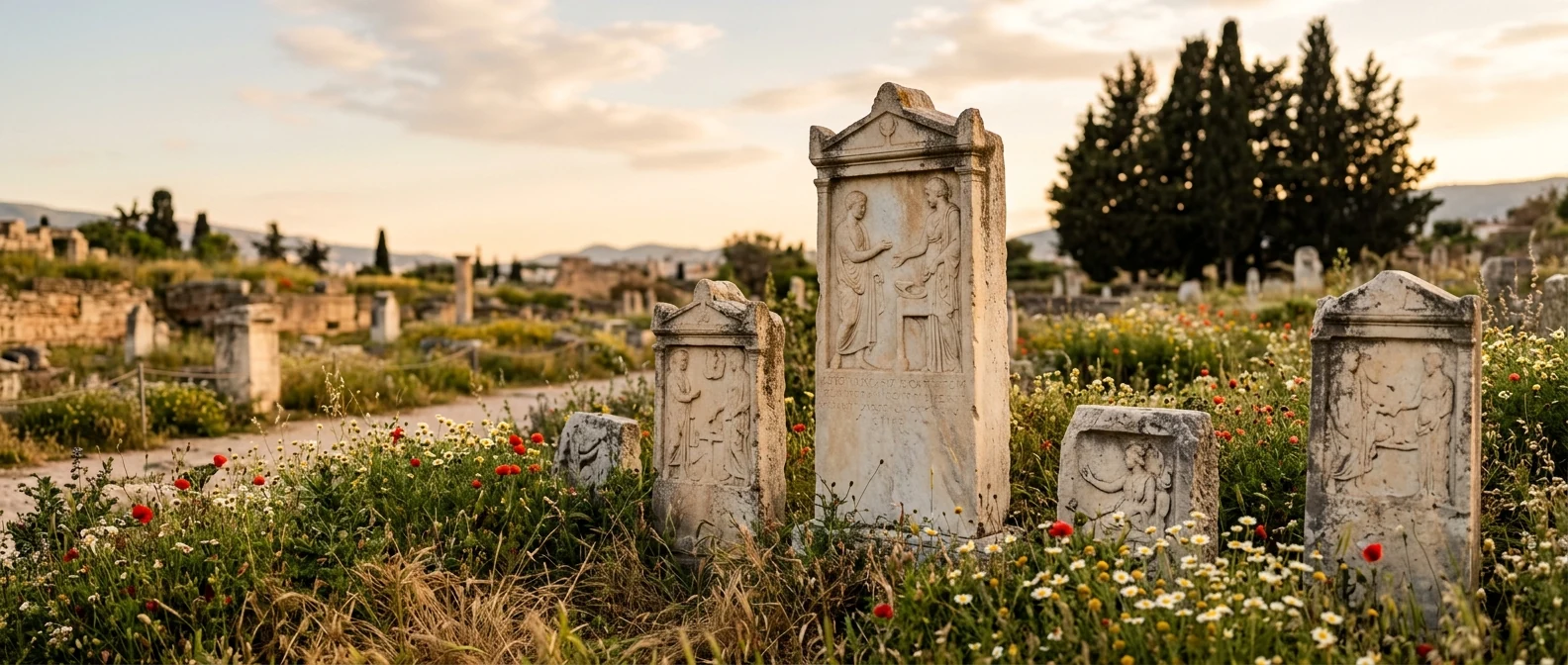
Between the two gates, along the Street of the Tombs, wealthy Athenian families erected funerary stelae: relief gravestones with names, figures and gestures of farewell. Many originals are now kept in the on-site museum or in the National Archaeological Museum. In the archaeological site you mostly see casts placed in their original positions, together with a few weathered originals.
The best-known example is the stele of Hegeso, with the original in the National Archaeological Museum and a cast on site. Hegeso sits while a servant holds out a small jewellery box. The scene is quiet, almost domestic. That is what makes it so powerful: it does not show a grand death, but a private moment of remembrance.
"All Greece is the tomb of famous men… not only the inscription on stones in their own land marks them, but in foreign lands too the unwritten memorial of the heart, more lasting than any monument."
— Pericles, Funeral Oration, 431/430 BC (Thucydides 2.43). The speech belongs to the public burials associated with Kerameikos.
The Themistoclean Wall
The wall around the site is linked with the rebuilding of Athens after the Persian Wars. Thucydides describes the speed and political tension around the fortification of the city. In the lower courses of the wall you can still spot reused architectural fragments and funerary pieces. It is one of those places where the history is visible in the stone itself.
The small on-site museum
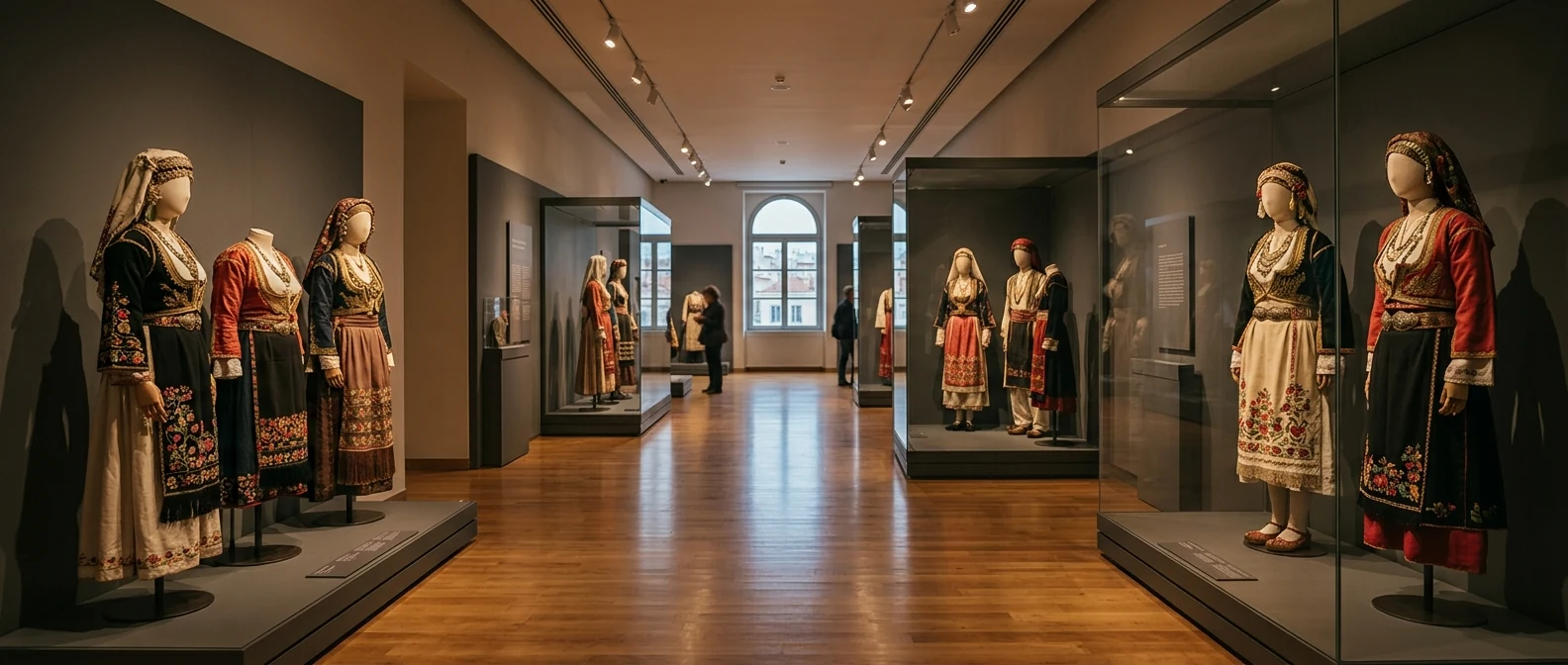
In the northeastern corner of the site there is a small museum included in the ticket. It contains sculpture, vases, lekythoi, grave goods and finds from the excavations. It is small, but worth seeing before you leave. After walking the Street of the Tombs, the objects make more sense: they are not just beautiful antiquities, but parts of specific burial practices.
Practical information
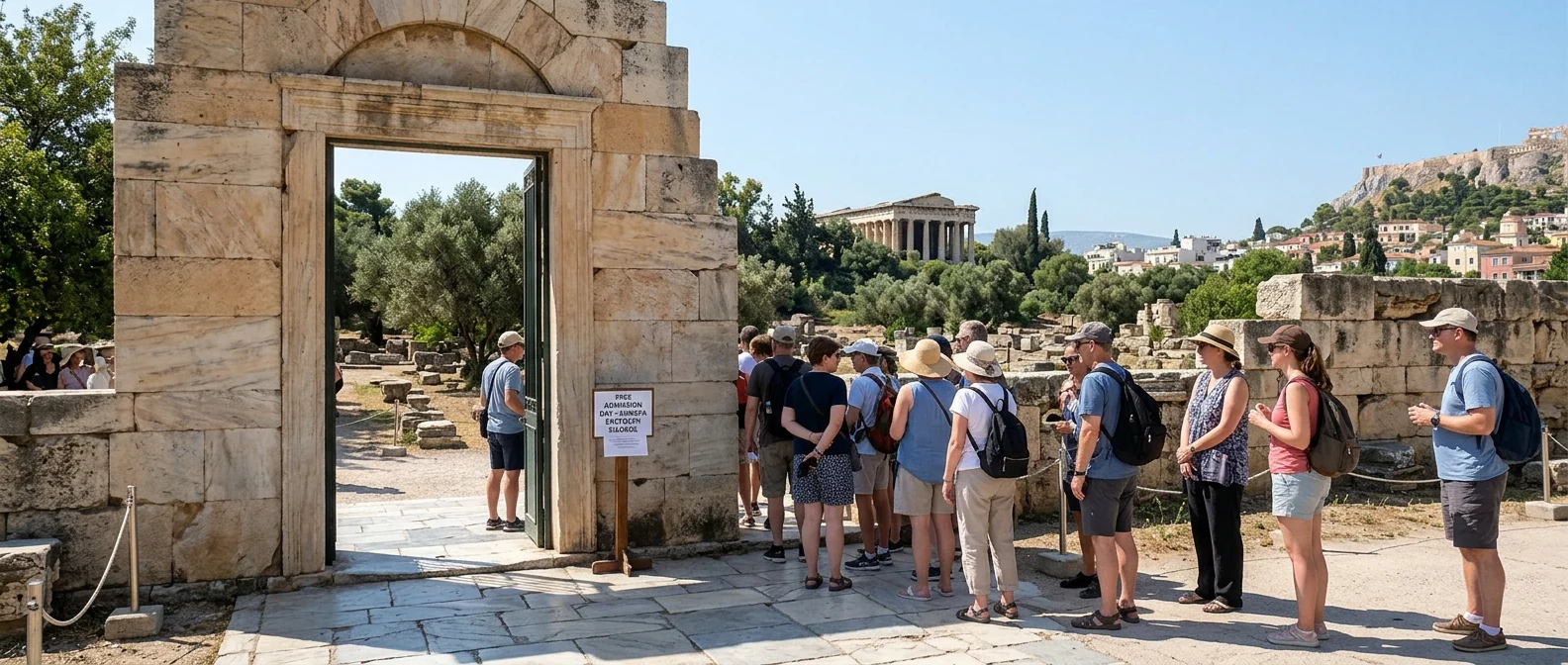
- Entrance: 148 Ermou Street, on the Thissio/Kerameikos side.
- Tickets: there is a standalone ticket, and the site is often included in combined archaeological packages. Check hhticket.gr for the current arrangements.
- Hours: they change by season and holiday. Check the official site before you go.
- Booking: it is usually not a difficult site to visit, but the official entry rules always take priority.
How long to budget
1 hour
Site only: follow the Street of the Tombs, look at the Dipylon foundations and the wall, then leave.
1.5–2 hours
The site plus the small museum, without rushing. This is what we recommend.
2.5 hours
All of the above, plus a slower walk by the Eridanos and time to take in the site without watching the clock.
An unexpected pleasure
It is also a green space
Kerameikos is greener than many people expect. The Eridanos still passes through the archaeological site, and in spring the landscape softens with low vegetation and patches of shade. That quietness is part of its value. There is no need to rush through it.
What to combine it with
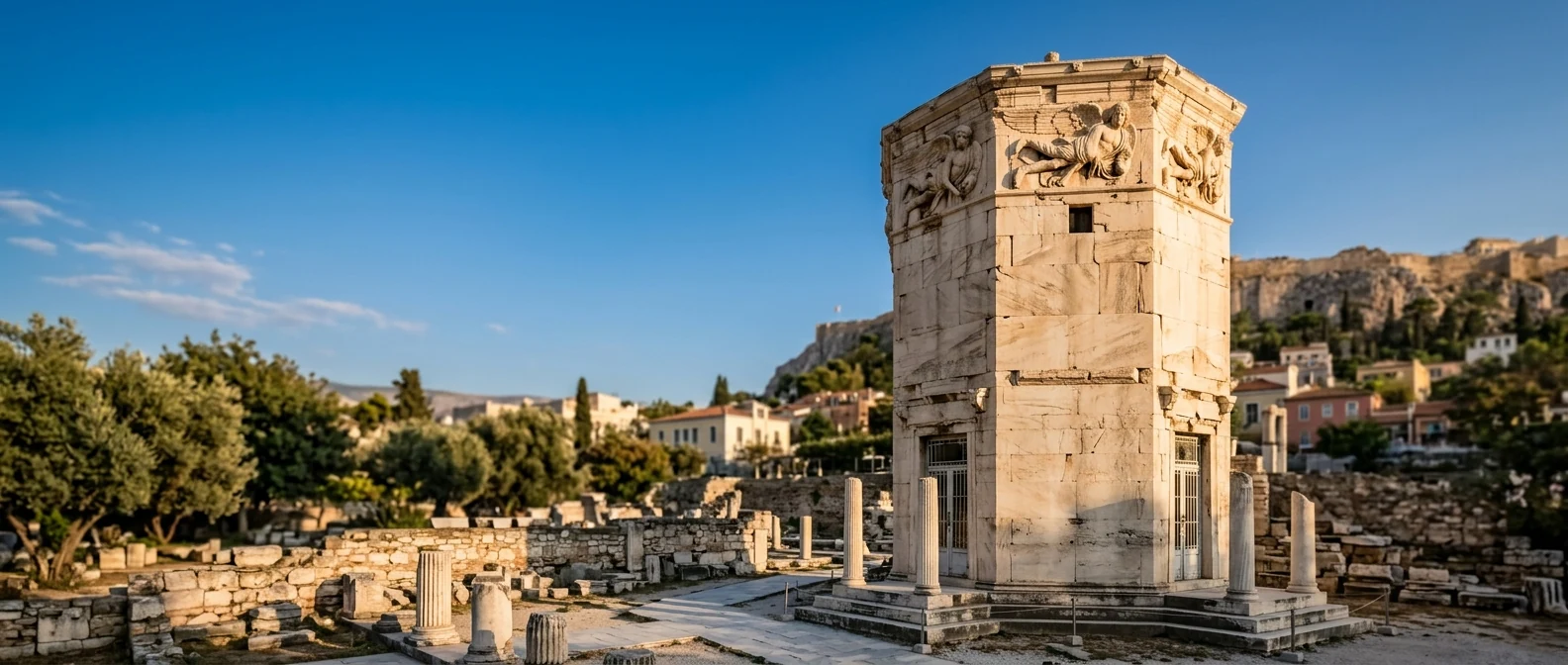
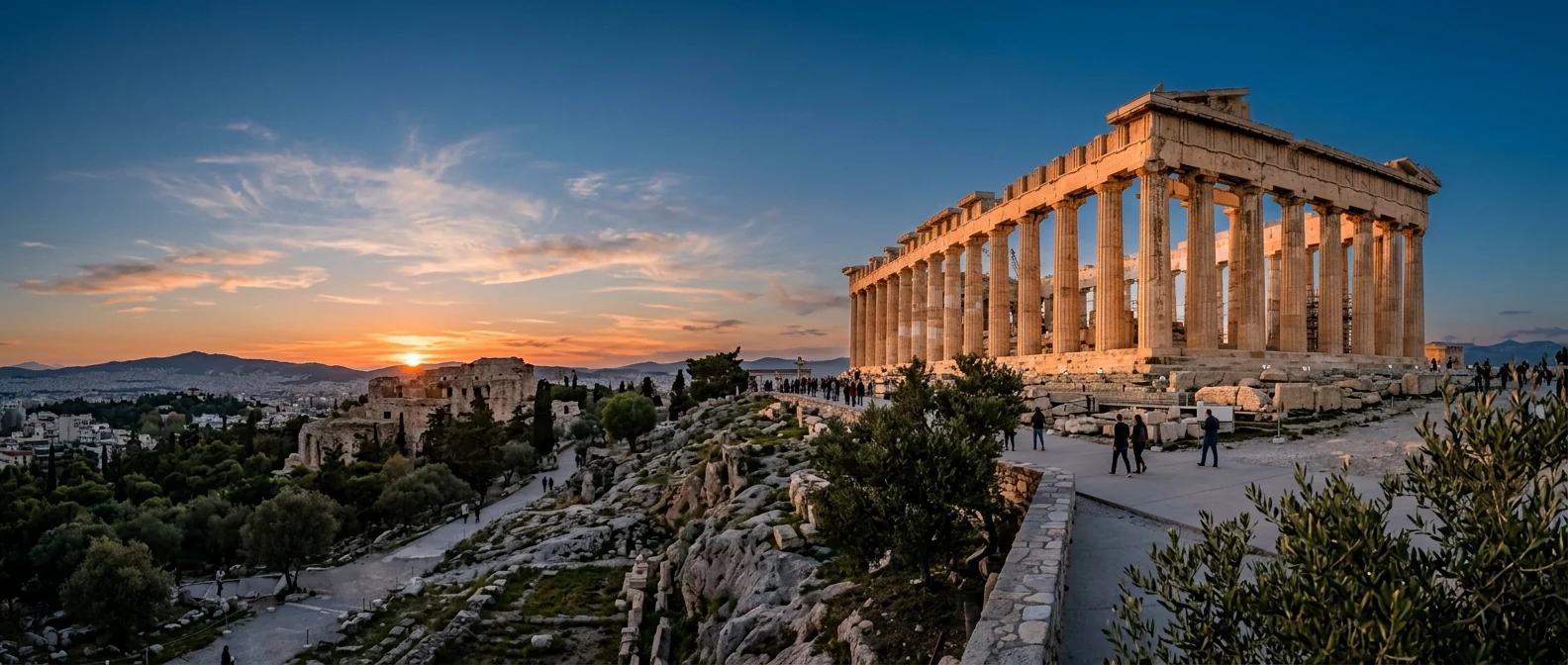
Kerameikos combines naturally with the Ancient Agora and the Temple of Hephaestus, a short walk away toward Thissio. From there you can continue along Apostolou Pavlou and Dionysiou Areopagitou, with the Acropolis on your left, and end at the Acropolis Museum. It is one of the nicest walks in the centre, especially late in the afternoon.
FAQ
Was Pericles' funeral oration really delivered here?
Thucydides places it at the public burial of the first dead of the Peloponnesian War (431/430 BC), and the Athenian public cemetery stretched along the road starting from the Dipylon Gate. The exact spot is not known, but it was within a few hundred metres of today's entrance.
Are the original stelae here or in the National Archaeological Museum?
Many originals are in the National Archaeological Museum or in the museum on site. Along the Street of the Tombs you mainly see casts in the original positions, so the layout of the cemetery can still be read without exposing fragile pieces to the weather.
Is Kerameikos child-friendly?
Yes, if you keep the visit reasonably short. The paths are fairly manageable and the small museum is much less tiring than a larger collection. You just need to watch for uneven ground.
Sources:
— Kathy