🌡️ The actual Athens heat
Athens summer (mid-June through early September) is hot, dry, and unrelenting. July + August averages: highs 33-37°C (91-99°F), lows 22-25°C overnight. Heatwaves push temperatures to 40-44°C (104-111°F) and last 4-7 days. Climate change has lengthened the heat season — significant heat now starts late May and runs into mid-October. Humidity in Athens basin is moderate (40-55%), so it feels less stifling than tropical climates but the dry intensity is severe — you dehydrate quickly without realising. The famous "Cycladic light" + clear sky = brutal sun + no shade relief unless you find it.
🏛️ The Acropolis afternoon-closure rule
What happens during heatwaves
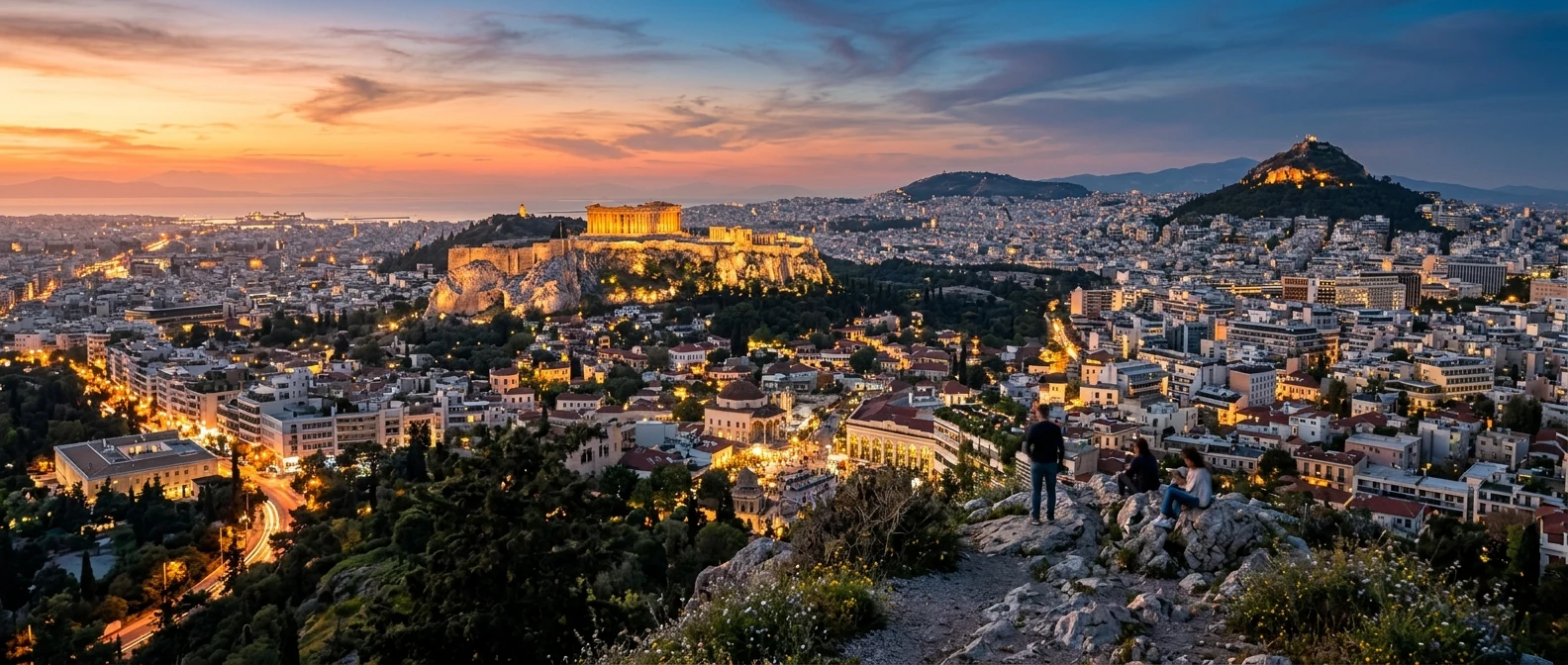
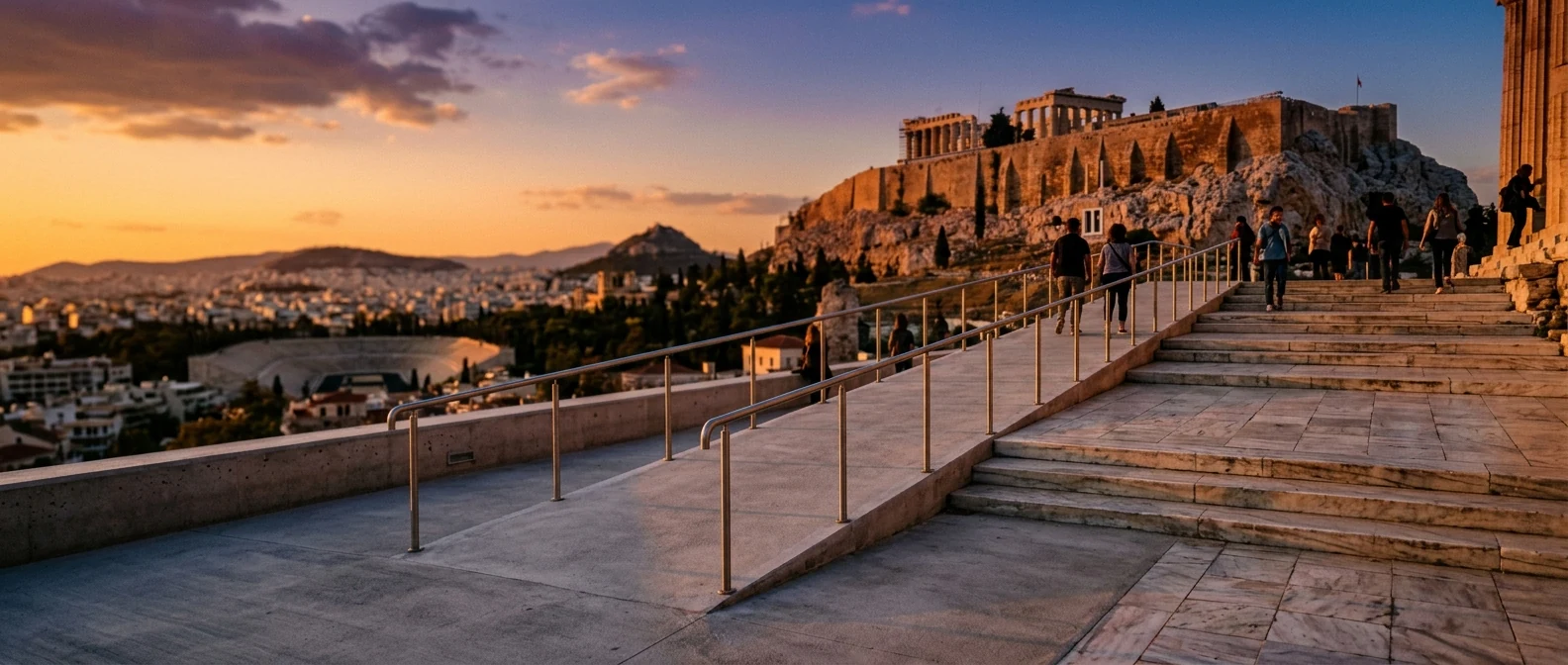
Since 2023 the Acropolis has been officially closed during peak afternoon hours on heatwave days when forecast temperatures exceed ~40°C. Closure typically: 12:00-17:00. The Greek Ministry of Culture announces same-day closures. Rationale: the marble surface reaches 50°C+, lack of shade, exhausted visitors, real medical risk. The rule has saved lives — heatstroke + cardiac events were occurring on the Sacred Rock.
Practical implication: in July-August, plan Acropolis visits for opening hour 08:00 or after 17:30. Even on non-closure days, mid-afternoon is unwise.
⏰ The Greek summer rhythm
- Early morning (07:00-11:00): cool-ish, golden light. Best time for sites + outdoor walking.
- Late morning to mid-afternoon (11:00-17:00): brutal. Avoid prolonged sun exposure. Greek tradition: stay indoors.
- Late afternoon to early evening (17:00-20:00): still warm but tolerable. Beach, café, walk in shade.
- Evening (20:00-midnight): pleasant. Athens comes alive. Dinner at 21:00-22:00 (Greek pace).
- Night (midnight-04:00): warm but tolerable. Outdoor café culture continues.
💧 Hydration + heat protection essentials
Water — 3+ litres/day
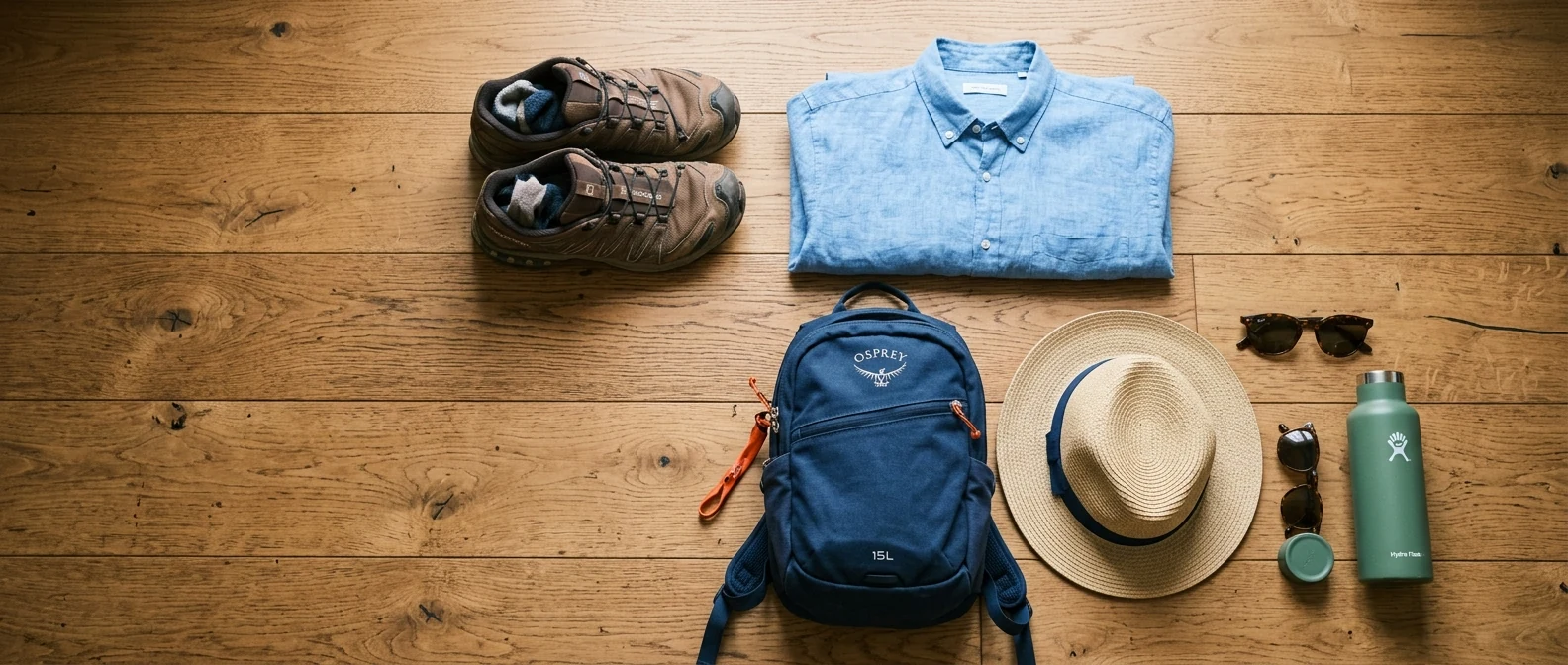
Carry refillable bottle. Public drinking fountains (kríne) — Athens water is safe, free, refill anywhere. Public WCs at major sites have drinking-water taps.
Hat — wide-brimmed
Essential. Cap is minimum. Linen or straw better than synthetic.
Sunscreen SPF 50+
Reapply every 2 h. Greek sun is intense; you burn faster than expected.
Light cotton/linen clothing
Loose-fitting, light colours. Avoid synthetics.
Closed walking shoes
For Acropolis + archaeological sites. Sandals OK for evening + flat areas.
Electrolyte tablets / Greek "snacks"
Salt + minerals. Greek breakfasts (tomato, feta, olives) replenish naturally.
📊 At a glance
33-37°C
Typical July-August daily high. Heatwave days: 40-44°C.
~3 L/day
Minimum water intake. More if walking + sightseeing.
12:00-17:00
Heatwave closure window for Acropolis. Use as personal "stay indoors" rule.
Free fountains
Throughout central Athens. Tap water is excellent + free.
❄️ Where to cool down
- Air-conditioned museums — Acropolis Museum, National Archaeological, Benáki, Cycladic, Goulandris. Spend the hot midday here.
- Air-conditioned shopping — The Mall Athens (Marousi), Athens Metro Mall, Attica Department Store (Síntagma). Big chain stores reliably cool.
- Stavros Niarchos Foundation Cultural Center — air-conditioned library + open spaces with shade + sea breeze.
- Cinema — Athens has many indoor + outdoor cinemas. Indoor cinemas during day; outdoor at night (the city's summer ritual).
- Cafés with strong AC — international chains (Starbucks, Coffee Island) reliably cool. Local Greek cafés vary.
🏖️ The escape — Riviera + day trips
Cooling strategies that work
- Athens Riviera — tram from Síntagma to Glyfáda or Vouliagméni. Sea breeze + swimming. Beach clubs charge €10-€80 for sunbed; free public beaches available.
- Saronic islands — Aegina, Hydra, Spétses, Póros. Day trips by ferry. Sea air + island simplicity.
- Lake Vouliagméni — thermal lake, surprisingly cooling effect.
- Mt Parnítha — 8-12°C cooler than the city. Cable car + forest hikes.
- Rooftop pools — many central hotels open pool access to non-guests for €30-€60. Combine swim + view + AC.
🩺 Heat illness — the warning signs
What to watch for + when to act
- Heat exhaustion: heavy sweating, weakness, dizziness, headache, nausea, muscle cramps. Move to shade or AC, drink water, rest. Symptoms should improve within 30 min.
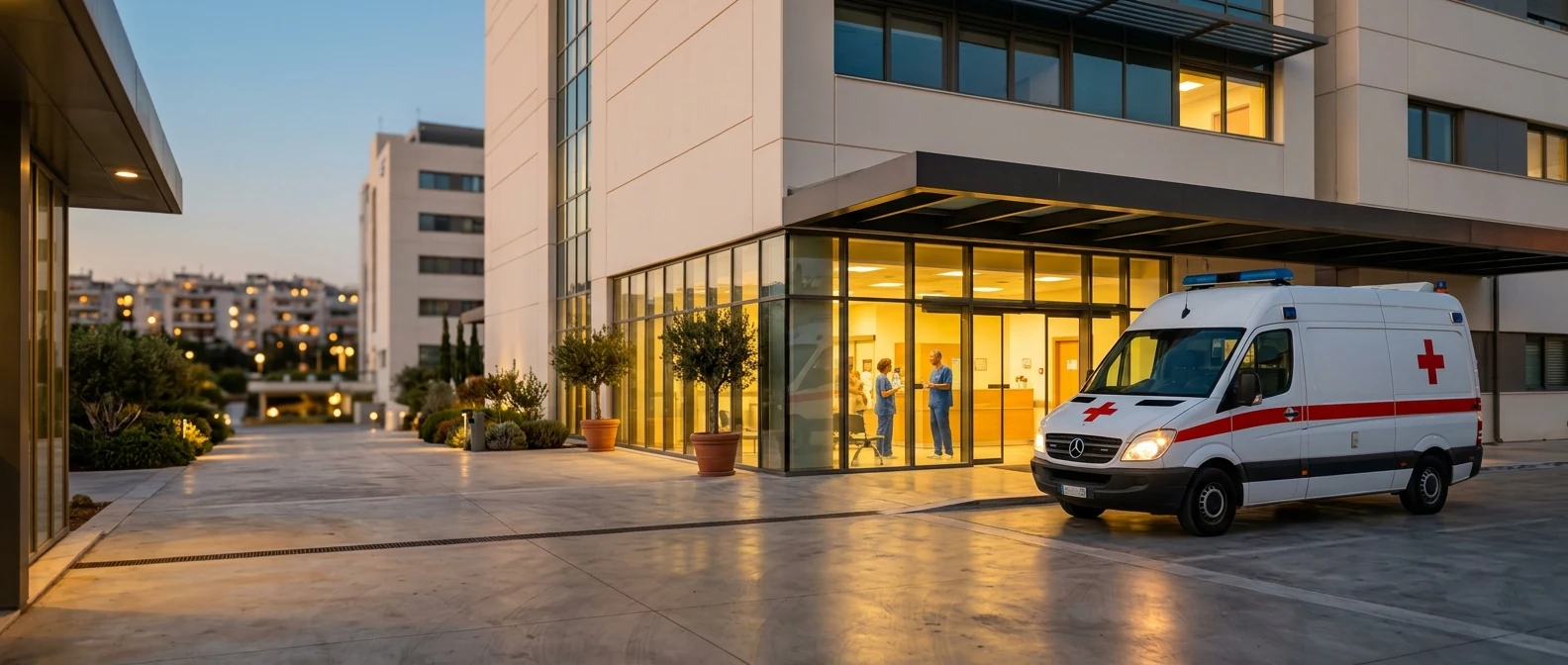
- Heat stroke (medical emergency): skin hot + dry, confusion, slurred speech, possible loss of consciousness, body temp 40°C+. Call 112 immediately. Move to shade, cool with water, no fluids by mouth if confused.
- Mild signs to take seriously: thirst is already late dehydration; cramps are early warning. Drink before you're thirsty.
- Vulnerable groups: elderly, children, chronic conditions, pregnant. Plan more conservatively.
📅 The honest summer day plan
Anti-heat Athens day (July-August)
- 07:30: Greek breakfast — coffee, tomato, feta, olives, bread.
- 08:00-11:00: Acropolis + Acropolis Museum. Get there at opening; finish before peak heat.
- 11:00-13:00: Walk pedestrian Dionysíou Areopagítou (some shade). Air-conditioned café break.
- 13:00-15:00: Long lunch at AC restaurant (Greek "midday rest").
- 15:00-18:00: Indoor museum (National Archaeological, Benáki, Cycladic). Or shopping mall. Or hotel pool.
- 18:00-20:00: Late afternoon stroll. Less brutal sun.
- 20:00-midnight: Greek dinner outdoors. The city's prime time.
🍽️ What to eat + drink in heat
- Greek summer salad — cucumber, tomato, feta, olive oil. Hydrating + restorative.
- Watermelon (karpoúzi) — Greek summer staple. Sold whole + by slice everywhere.
- Yogurt with honey — cooling, replenishing.
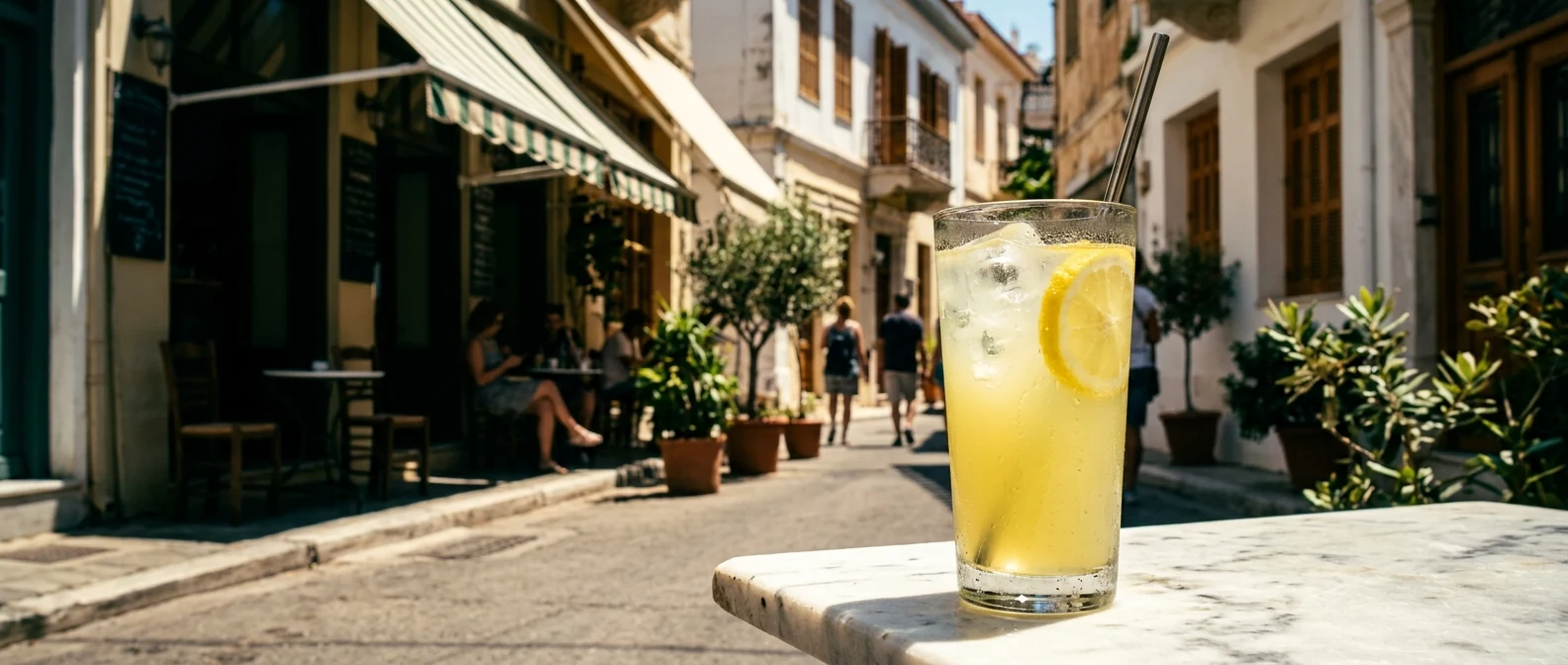
- Frappé / Freddo coffee — Greek iced coffee culture. Order without sugar (skéto) or medium.
- Cold beer (Mythos, Fix, craft) — €4-€8.
- Avoid: heavy meat dishes at lunch, excessive alcohol midday, very sugary drinks (worsen dehydration).
- Salt — eat olives + feta + salty dishes. The body needs sodium replacement.
🛡️ Practical heat tips
- Plan indoor activities for 12:00-17:00. Reverse the typical tourist schedule.
- Carry physical water at all times. Refill at fountains + cafés.
- Cool head + neck — wet bandana, cooling towel, splash water on neck.
- AC sleep — confirm AC works at hotel/Airbnb before booking.
- Avoid alcohol at midday — dehydrates + impairs heat regulation.
- Light meals at midday; bigger meal at dinner like the locals.
- Sunscreen with PA+++ — UVA protection. Reapply every 2 h.
- Avoid black asphalt + open spaces midday — radiates extra heat.
- Watch dehydration signs — dark urine, dry mouth, headache.
🎯 What NOT to do
- Don't visit Acropolis 12:00-16:00 in July-August. Real medical risk; sometimes officially closed.
- Don't skip lunch thinking you'll save time. Greek midday rest is health protection.
- Don't drink alcohol heavily at midday. Save for dinner.
- Don't ignore early symptoms: headache, nausea, weakness — get to AC + water.
- Don't wear synthetic clothing — traps heat + sweat.
- Don't book accommodation without confirmed AC.
🎯 FAQ
Should I avoid Athens in July-August entirely?
Not necessarily — many people visit successfully. But it requires planning + heat protection. May-June or September are dramatically more comfortable.
What's the worst week historically?
Late July through mid-August. Greek peak holiday season + atmospheric heatwave patterns coincide. Plan more carefully.
Air conditioning common in Athens?
Yes — modern accommodations + most restaurants + all major museums. Some traditional kafenia + smaller shops do not have AC; verify before booking accommodation.
Pool access at hotels?
Many central hotels offer day-pass pool access for non-guests €30-€60. King George, Grande Bretagne, Royal Olympic, Athens Hilton — popular options.
Heatwave warnings?
Hellenic National Meteorological Service issues warnings; Civil Protection (geocode app + alerts) sends mobile alerts during severe events. Check daily forecast.
Cool down emergency — where to go?
Nearest air-conditioned indoor space: museum, mall, café, hotel lobby. Don't try to "tough it out" with heat illness symptoms.
Sources:
— Kathy