💧 Athens — drink the tap
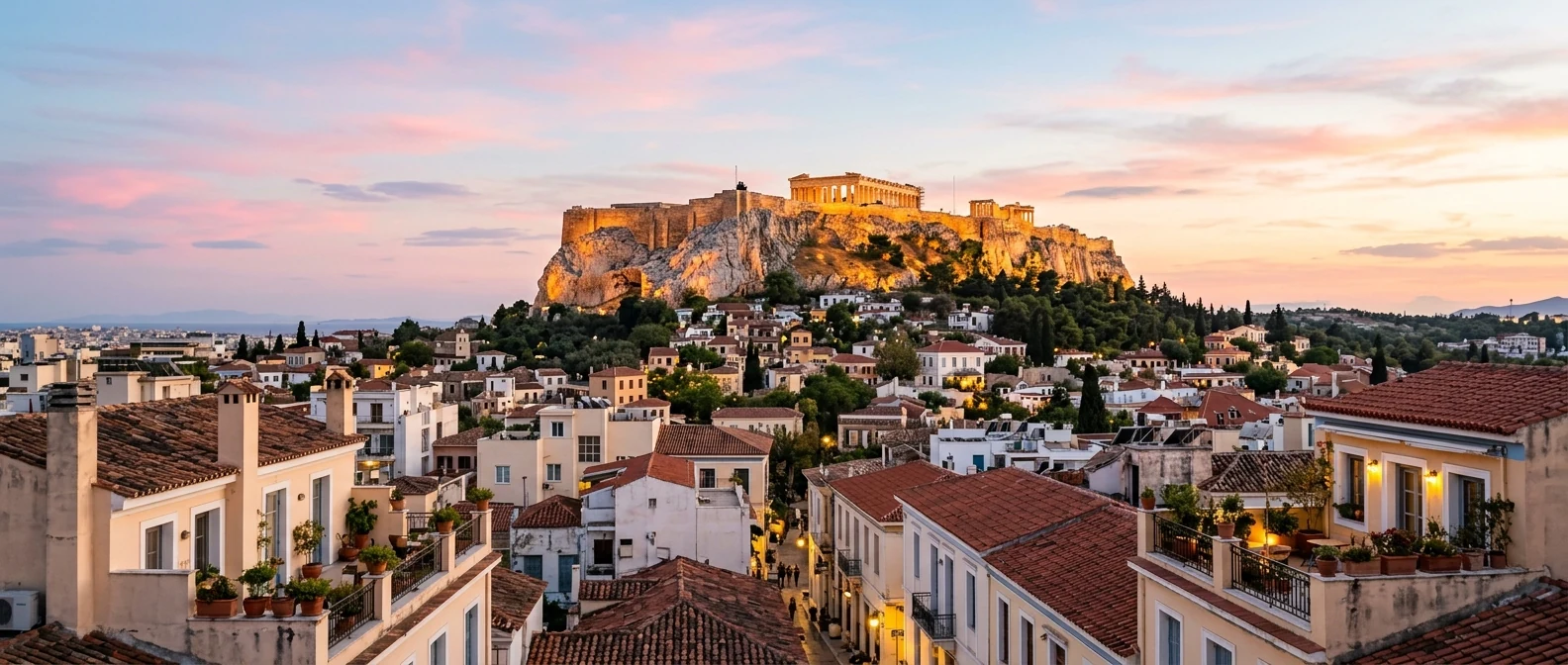
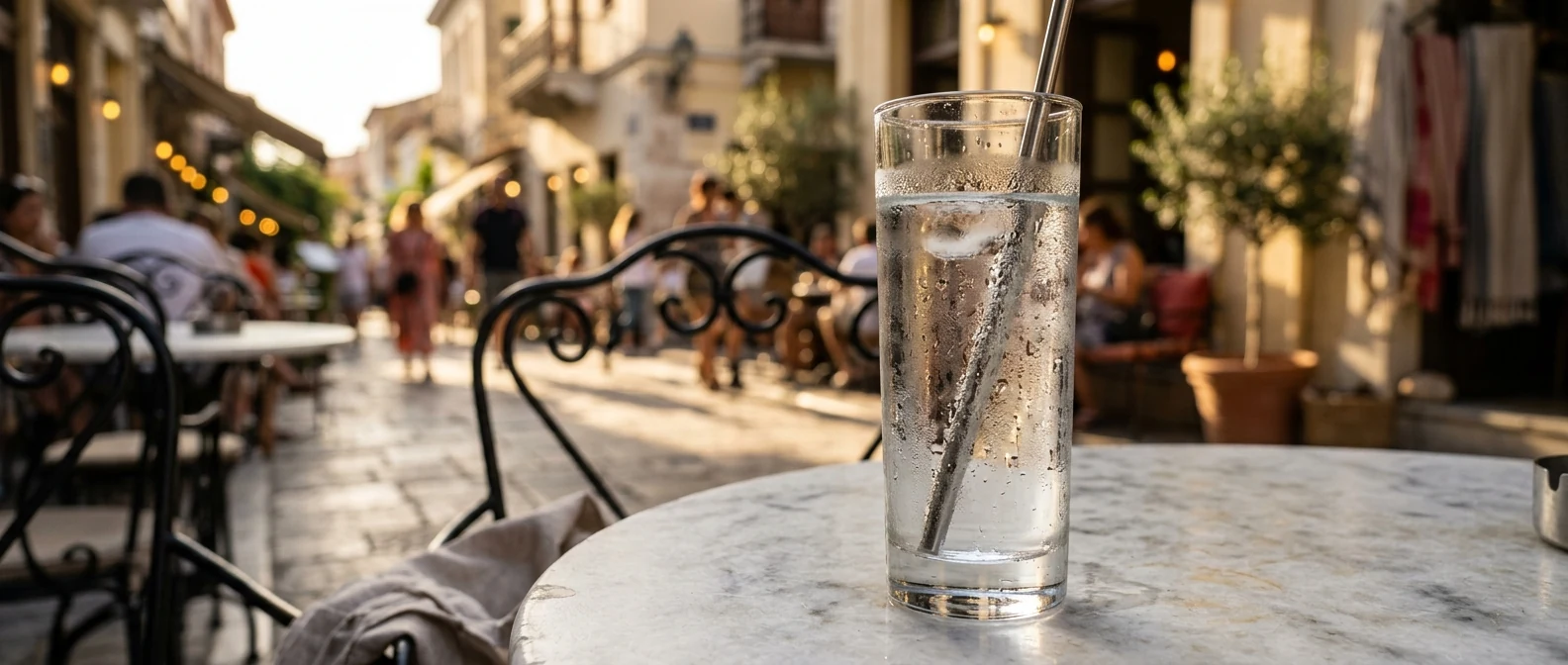
Athens tap water is supplied by EYDAP (Athens Water Supply + Sewerage Company), drawing primarily from Mornos + Yliki + Marathon reservoirs. It is fully potable + tested daily, meeting EU + WHO drinking-water standards. Athenians drink it directly from the tap. There is no benefit + significant cost (financial + plastic) to bottled water in Athens. Refill bottles at hotels, restaurants, public fountains. The taste is fine — soft, clean, no chlorine aftertaste in most areas. Visitors who fill water bottles at hotel rooms drink confidently.
🌍 Mainland Greece — generally safe
- Thessaloníki: tap water is fully safe + drunk by locals. Sourced from Aliákmonas River + local reservoirs.
- Pátra, Vólos, Ioánnina, Lárisa: all major mainland cities have fully potable supplies.
- Smaller mainland towns + villages: usually safe; ask hotel/restaurant if uncertain.
- Mountain regions: spring + reservoir water; clean + cold + delicious.
- Coastal mainland: same standards apply.
🏝️ Greek islands — the variation
The honest island situation
Most Greek islands have safe tap water by EU standards, but taste varies considerably. Many smaller + drier islands rely on desalinated seawater + tankered supplies; the result is technically potable but often tastes mildly salty or chlorinated. Locals on these islands typically buy bottled water for drinking even though tap is safe. As a tourist, decision is taste-based, not safety.
🏝️ Island-by-island reality
Crete (large)
Excellent water — mountain springs + reservoirs. Drinking tap is fine + tastes good throughout.
Corfu, Rhodes, Lesvos
Larger islands with reliable + fresh water sources. Drink tap.
Santorini, Mykonos, Páros
Desalination-reliant. Tap is safe but mildly salty. Locals drink bottled. Cooking + brushing teeth fine.
Smaller Cyclades + Dodecanese
Variable. Often desalinated. Ask host or accept bottled water culture.
🚰 Public drinking fountains
- Athens has many public fountains: Acropolis area, parks, plazas, metro stations. Free + safe to drink/refill.
- Modern bottle-filling stations: increasingly common in tourist areas.
- Mountain springs: throughout Greece + clearly marked. Cold + delicious.
- Roman + Hellenistic fountains: some still flow with potable water (Athens has ancient + Ottoman fountains restored).
🍶 Bottled water — when worth it
- On certain islands where desalination affects taste — Santorini, Mykonos, Páros, etc.
- If you have sensitive stomach + just arrived (let your system adjust).
- For convenience while sightseeing if no refill option nearby.
- For cooking (rarely necessary; tap fine for most cooking).
- Cost: €0.50-€1 for 1.5L at supermarkets; €1.50-€3 in tourist areas; €2-€4 in restaurants.
- Brand preferences: Avra, Vikos, Korpi, Loutraki — all reputable Greek mineral waters.
📊 At a glance
Athens: drink tap
Fully potable, tested daily, free, refillable everywhere.
Mainland: safe
Thessaloniki, Pátra, etc. — drink tap confidently.
Islands: varies
Crete + larger islands fine. Cyclades + dry islands often salty taste.
Bottled: €0.50-€3
Cost varies dramatically by location — supermarket vs touristy spot.
♻️ Environmental considerations
- Greece's plastic bottle problem is serious — beaches + roadsides accumulate them.
- Reusable bottle: 1-2L stainless steel or glass. Refill from hotel + restaurants + fountains.
- Filter bottles (Lifestraw, Brita Filter Bottle): give peace of mind on questionable supplies.
- Greek hotels increasingly providing filtered water dispensers + refillable glass bottles in rooms (not plastic).
- Recycle properly: yellow bins for plastic recycling in Greece.
💧 Restaurant water
- Asking for "tap water" (νερό βρύσης / neró vrýsis): legal + free in Greek restaurants. Some restaurants serve carafe of cold tap water automatically.
- Bottled water service: restaurant default; €1-€4 per bottle. Acceptable to refuse.
- Children + elderly: tap fine; same standards.
- No special concerns about restaurant ice: made from same supply.
🤒 Stomach issues — actual causes
- Most "Greece stomach" complaints aren't water-related — they're food (raw seafood, spicy unfamiliar dishes, dairy, oily food in heat).
- Travel-induced stress + jetlag contributes more than water.
- Heat + dehydration often misread as stomach issue.
- If genuinely concerned: bottled first 1-2 days while adjusting. Then tap.
📅 Practical tips
- Refillable bottle + refill at hotel breakfast room or tap.
- Hotel room kettle: boil water if extra cautious; gives plain hot water for tea/coffee.
- Pharmacy: oral rehydration salts (electrolytes) if upset stomach + dehydration.
- Public fountains: refill confidently; clearly marked + safe.
- Hiking + remote: filter bottle gives security on rural springs.
🌊 Sea + swimming pool water
- Sea water: Greek beaches consistently rank among Europe's cleanest. Blue Flag programme certifies many.
- Don't drink sea water obviously — saltiness + bacteria.
- Swimming pools: chlorinated; safe for swimming. Don't drink.
- Thermal springs (Thermopylae, Loutráki, Edipsós): mineral hot springs widely visited; bathing safe.
🎯 What NOT to do
- Don't waste money on bottled water in Athens — tap is excellent.
- Don't carry empty bottles back to hotel — refill on go.
- Don't believe "Greek water makes you sick" stereotypes — they're outdated.
- Don't bring water purifier tablets — completely unnecessary in Greece.
- Don't buy bottled water from beach vendors at €5 — supermarkets sell same for €0.50.
🎯 FAQ
Is Athens tap water actually safe?
Yes, fully. EYDAP provides EU-standard water. Athenians drink it routinely.
Will tap water make me sick?
Almost certainly no. Most "Greek stomach" issues are food + heat + travel stress, not water.
Should I buy bottled water on Santorini?
Yes if taste matters — desalinated water is salty. Tap is safe but mildly unpleasant.
What about ice in drinks?
Made from local supply; same safety as the supply.
Brushing teeth with tap?
Fully fine in Athens + mainland + larger islands. Even on Santorini (just slightly salty).
Where can I refill water bottles?
Hotels, restaurants (just ask), public fountains, museums (often have fountains), sometimes free at cafés.
Sources:
— Kathy